The Rex Run
3D platformer where the T-Rex Rexy escapes extinction across five obstacle zones. Born as the final project of the DAM degree and grew beyond submission: the team chose to bring it to publication. In the curricular phase I animated all four characters and modeled the crocodile; in the extracurricular phase I took on team coordination to push the project to platform.
A game that grew beyond the classroom
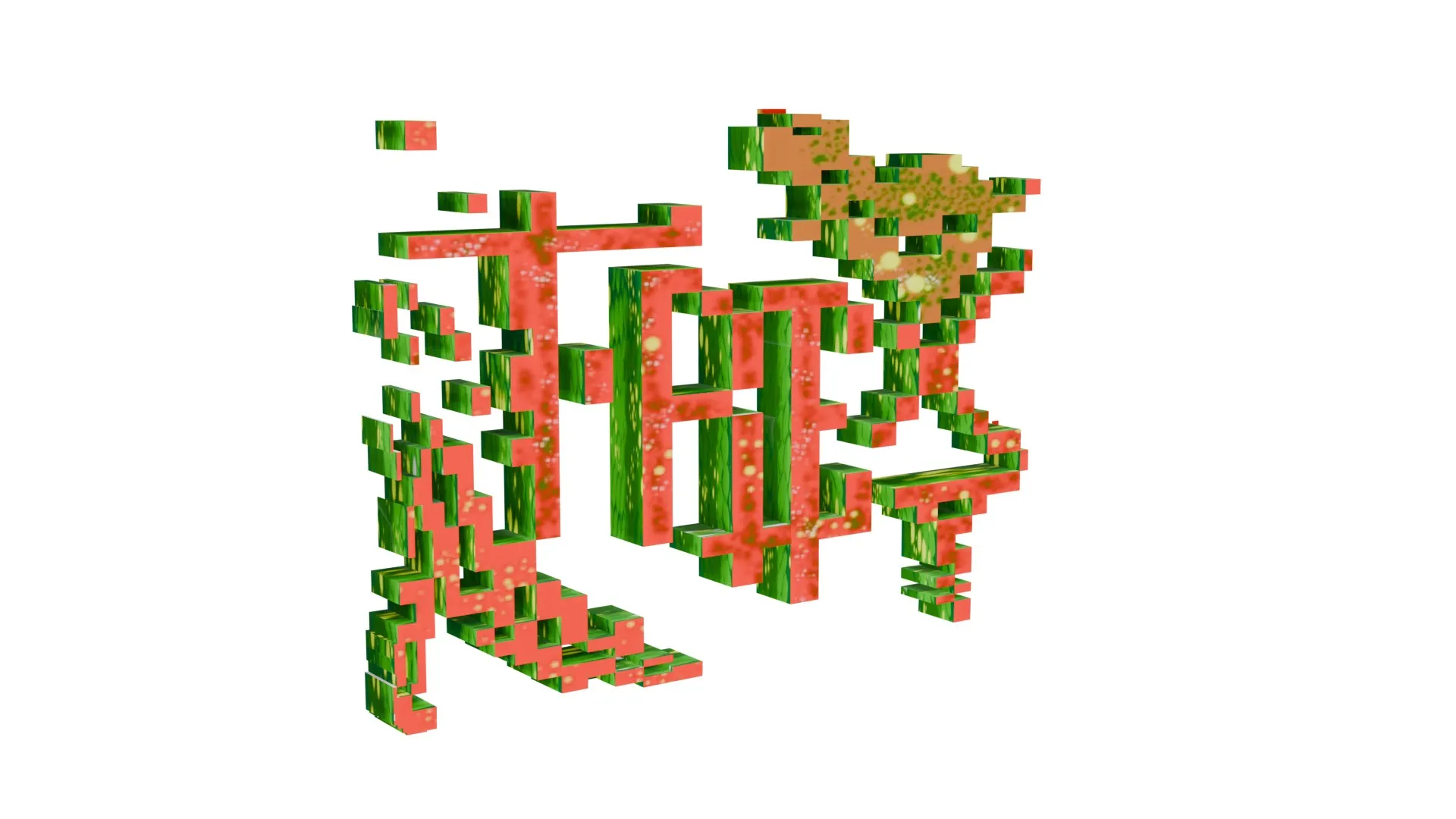
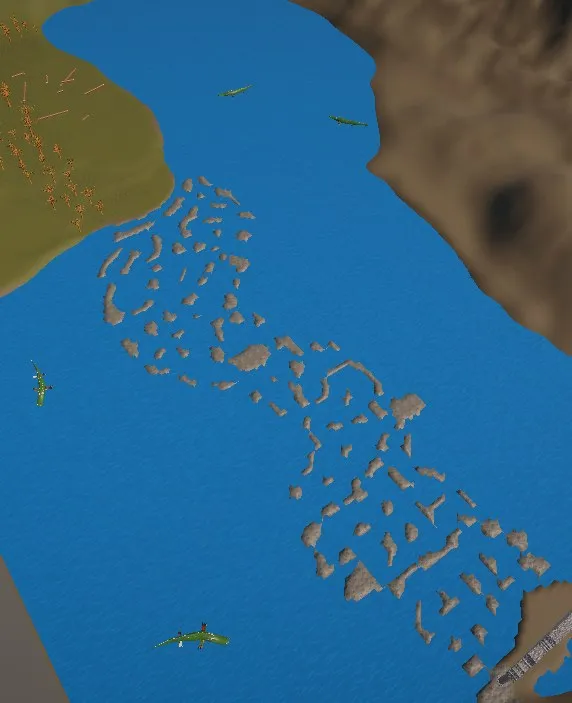
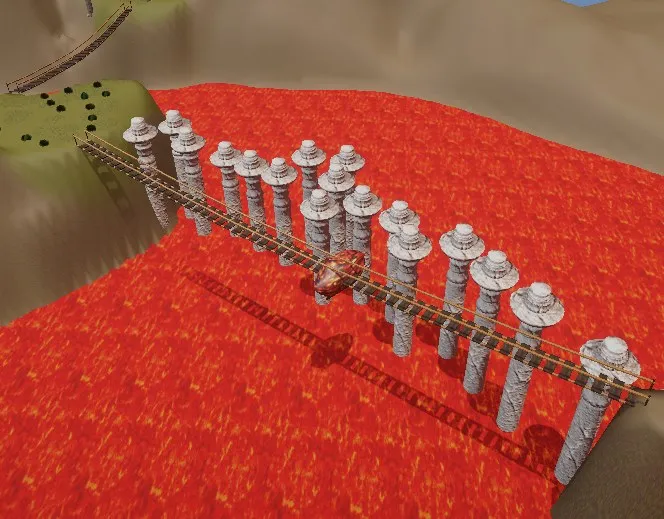
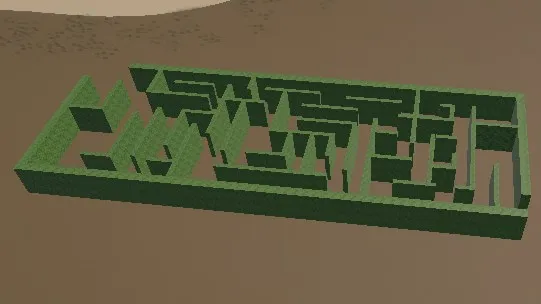
Rex Run was born as the final assignment for the Videogame Programming course of the Multi-Platform Application Development degree. We built it as a team of five during 2024: Alexandre Checa Ruis, Iván Torres, Victor Hugo Lopez Tabares, Eder Sánchez Parada, and me. The premise is direct — a T-Rex named Rexy flees extinction across five obstacle zones: stones over water, temple ruins, pillars over lava, a stone chasing the player, and a final maze.
What was meant to be an academic delivery turned out solid enough that the team decided to keep going. After submission, the group continued iterating with the goal of publishing the game on platforms. That phase is still active: the destination platform and release date are TBD.
Two roles in two phases
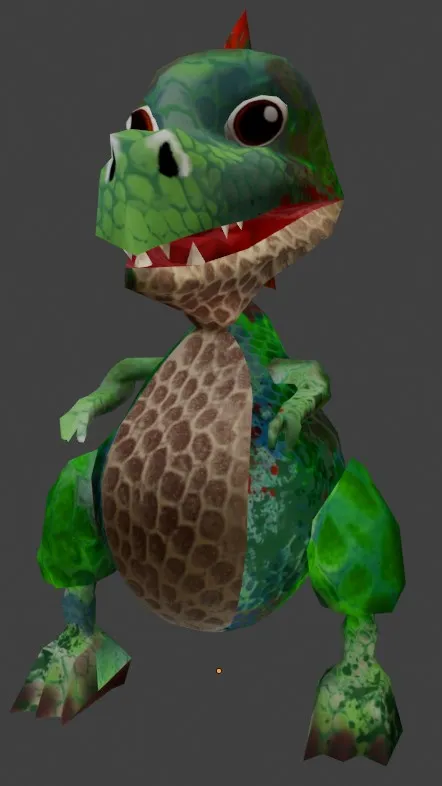
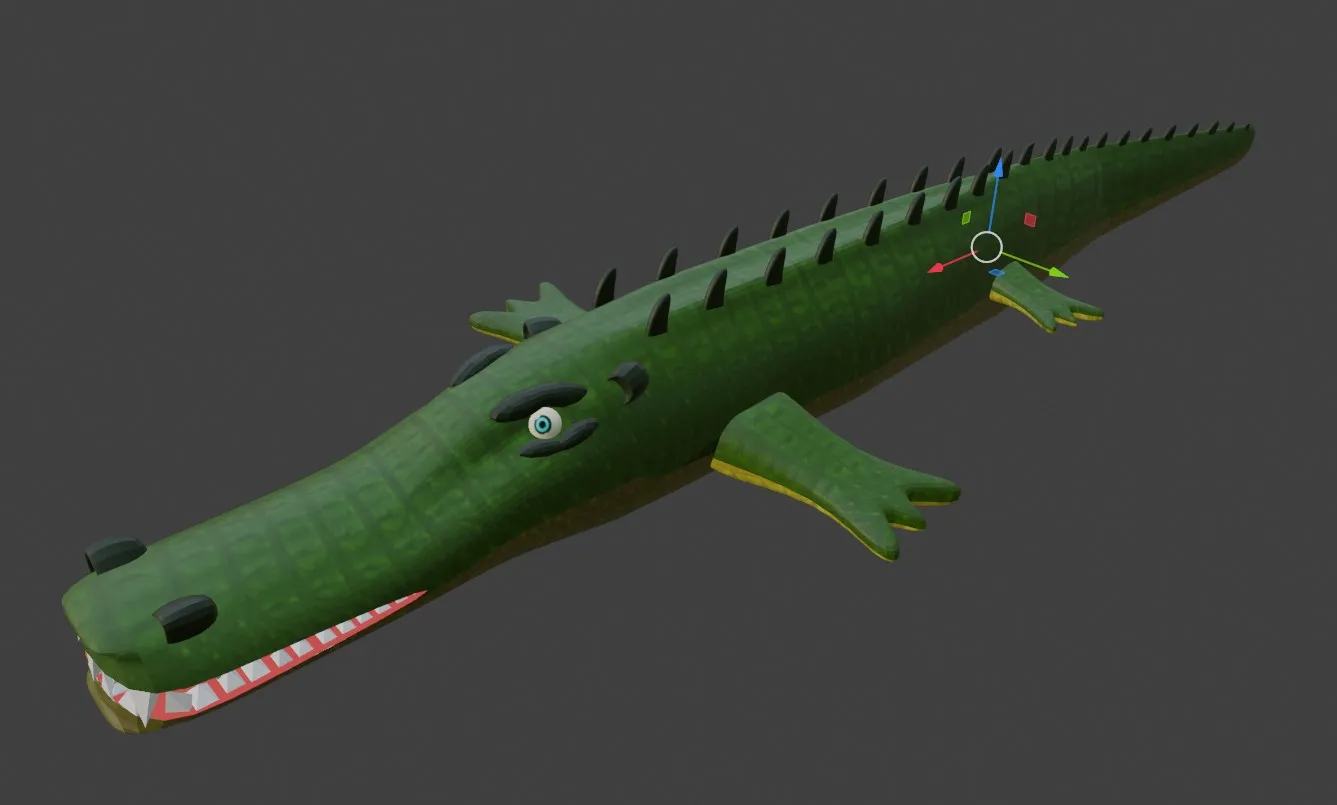
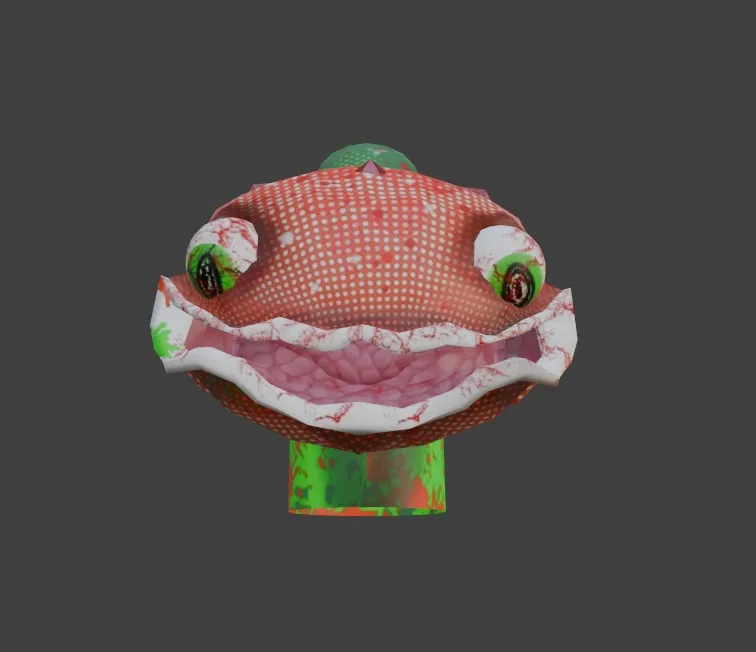
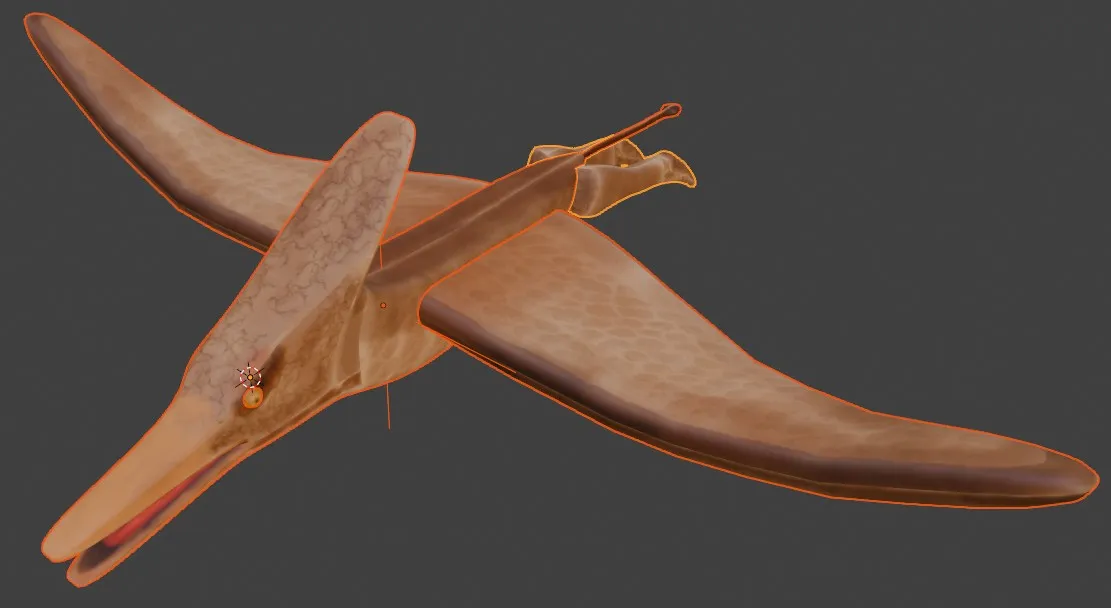
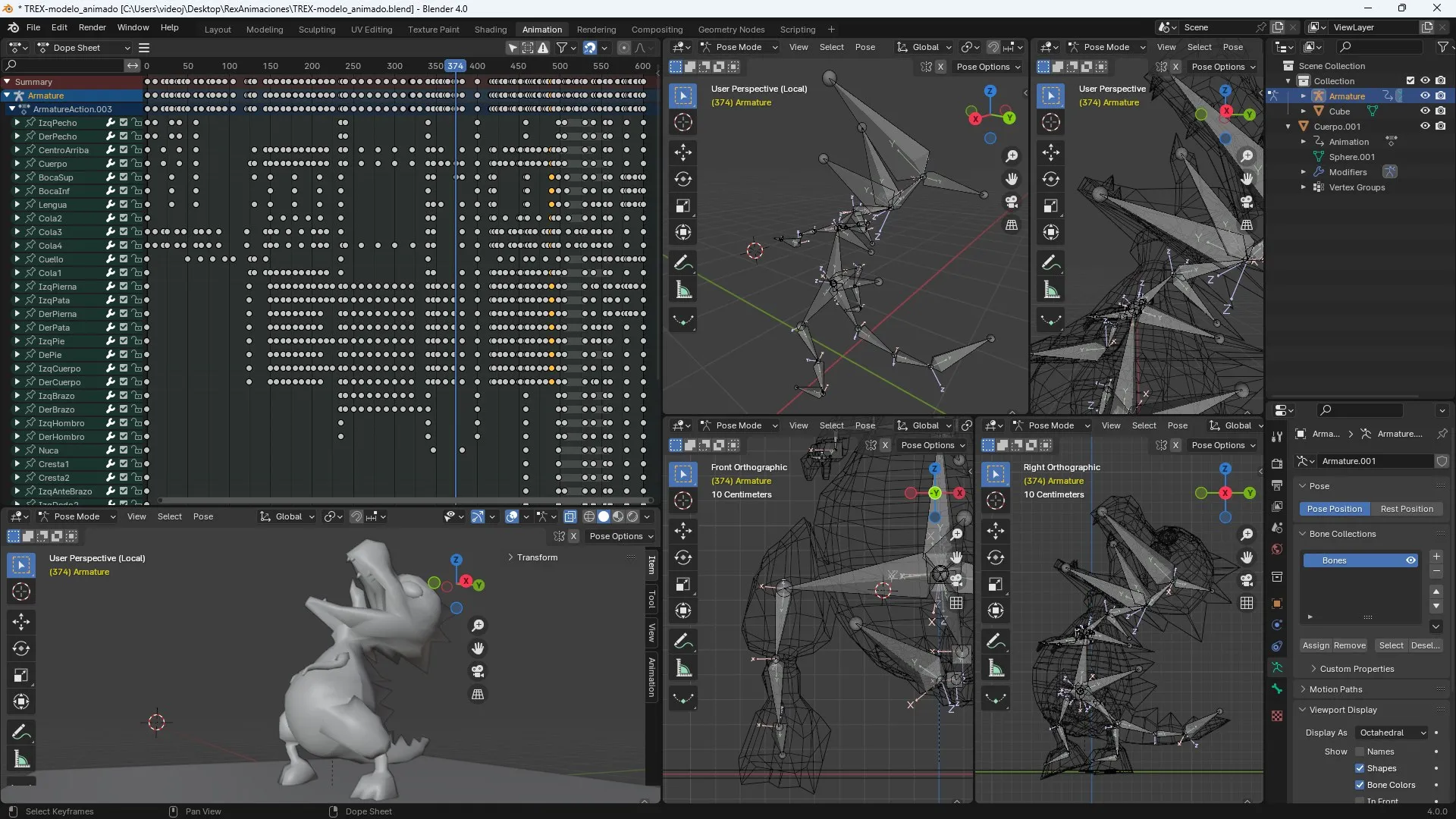
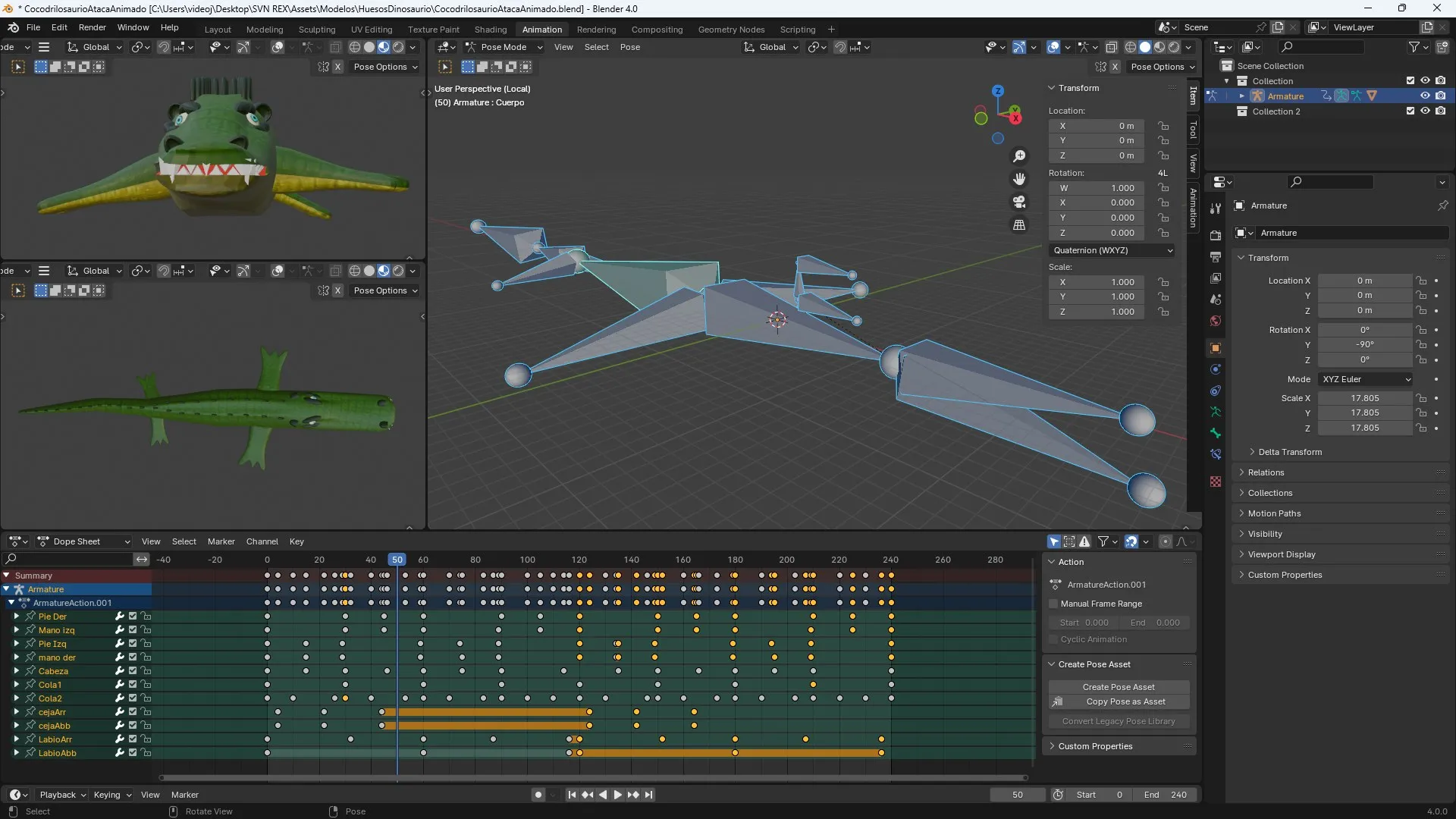
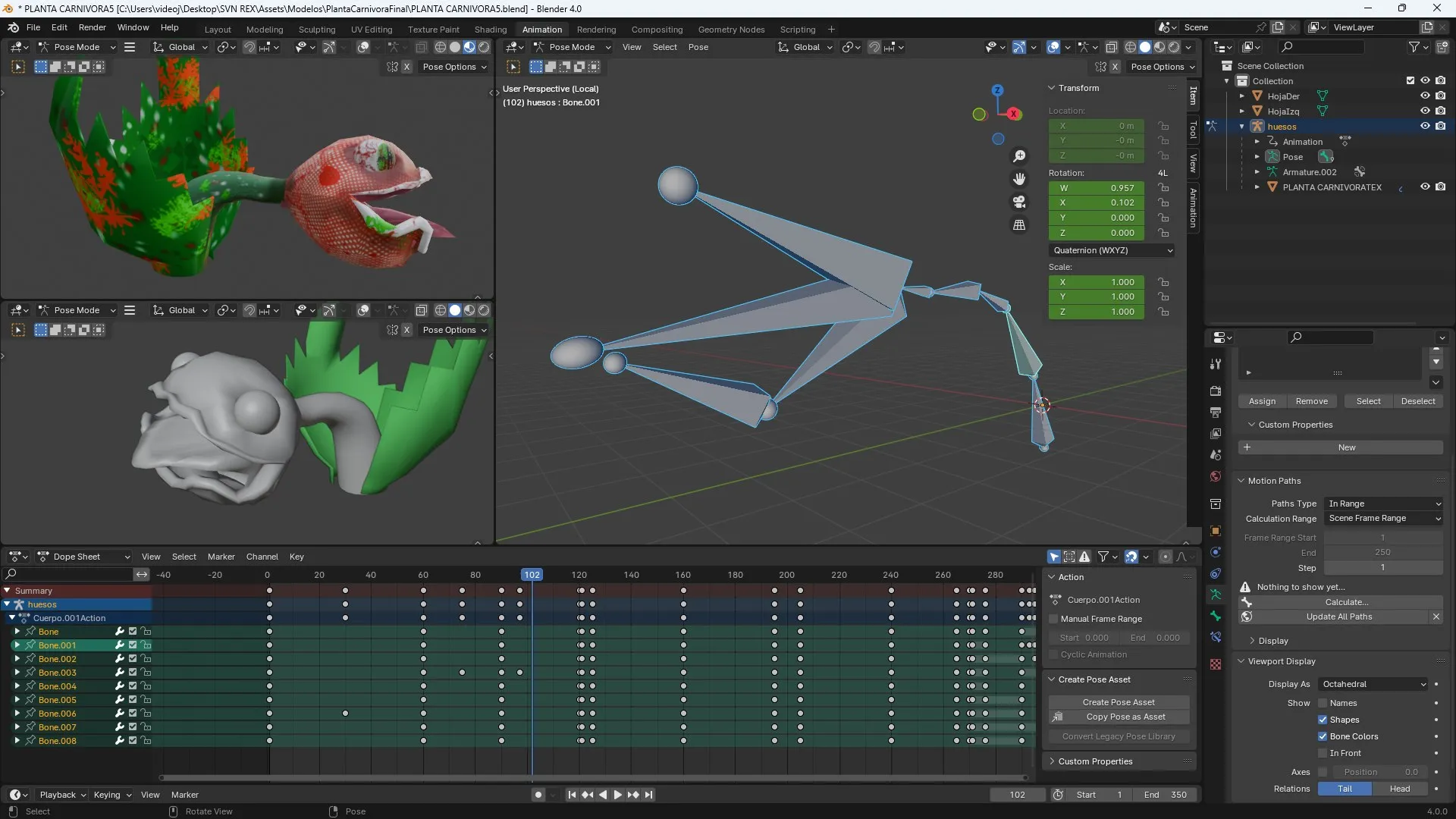
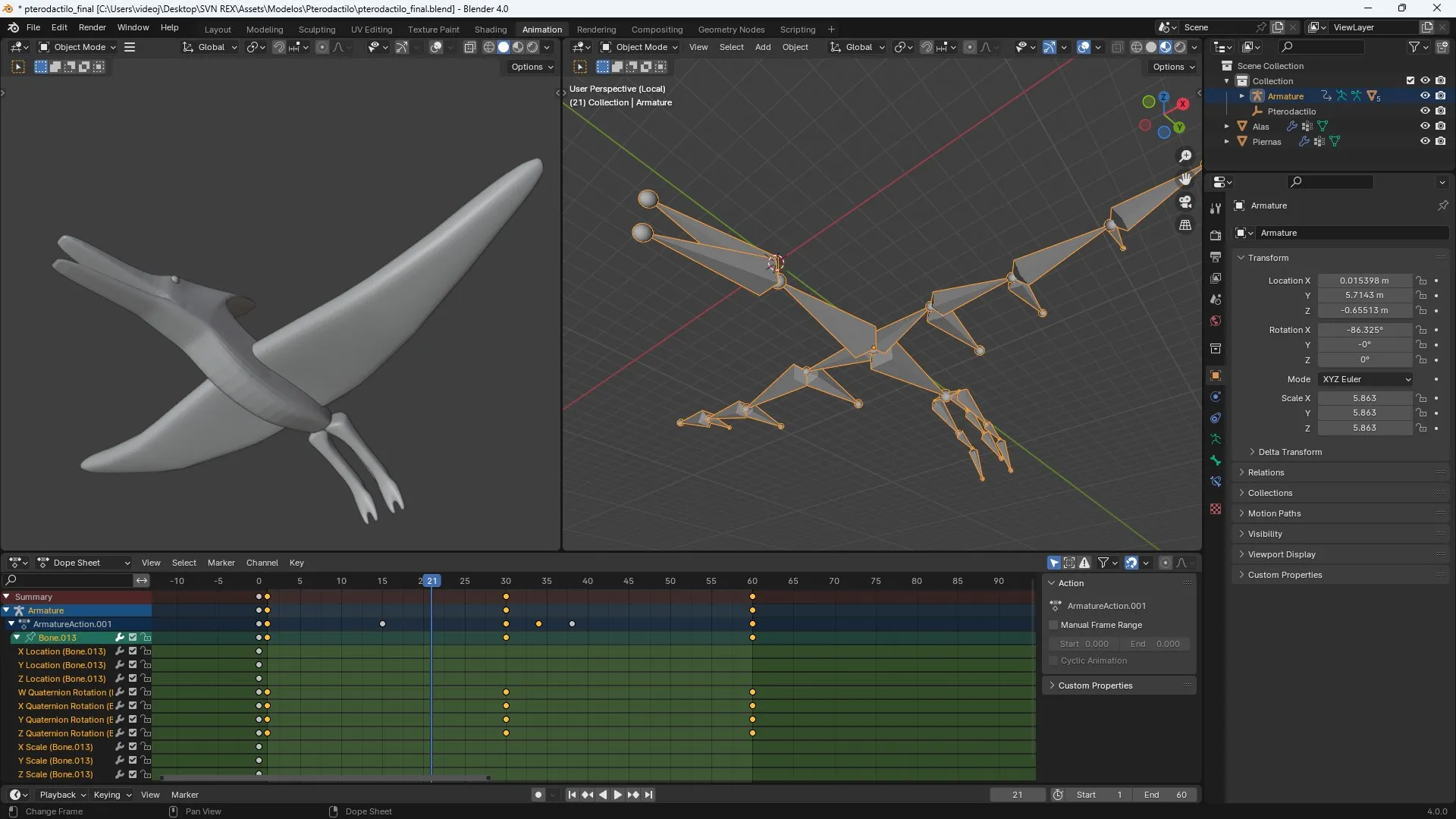
Curricular phase: animation and modeling. During the academic build I handled the animations of the four characters — Rexy, the crocodile, the carnivorous plant, and the pterodactyl. Each one has its own armature in Blender 4.0: full rigging with bones defined by functional part, weight painting to bind the mesh to the skeleton, and keyframe sequences crafted by hand in the dope sheet. The most complex was Rexy’s, with 25 bones (body, head, upper and lower jaw, tongue, four tail segments, two crest segments, neck, nape, shoulders, arms, forearms, legs, paws, and feet). The crocodile carries 11 bones with focus on facial expression: head, jaw, two tail segments, upper/lower brows, and upper/lower lips. I also modeled the crocodile from scratch, from initial sculpt to UV mapping and texturing.
Extracurricular phase: project management. When the academic delivery closed, the team chose to take the game to publication. For that phase I took on coordination: defining the post-delivery backlog, distributing tasks across the five members, version control of the project on SVN, and managing milestones toward platform upload. That phase is the one still active today.
Team
Five people with crossed roles:
- Alexandre Checa Ruis — Programmer and tester
- Diego Doldán — 3D modeling, texturing, animation (curricular phase) and Project Manager (publication phase)
- Iván Torres — 3D modeling, texturing, and HUD design
- Victor Hugo Lopez Tabares — 3D modeling, texturing, HUD and menu design
- Eder Sánchez Parada — 3D modeling, texturing, and tester
Tech stack
Game engine: Unity. Curricular stack of the DAM degree, picked for its ease of integration with external assets and its mature pipeline for 3D on PC.
Modeling and animation: Blender 4.0. All 3D content of the game — characters, scenarios, objects, logo, screens — was built in Blender. The per-character pipeline involves six steps verifiable in the process captures: initial sculpt, retopology, UV unwrapping, texture painting, rigging with armature and weight paint, and finally keyframe animation in the dope sheet. Assets were exported to Unity in FBX format preserving armatures, materials, and animation sequences.
Textures: texture painting done inside Blender with the Texture Paint tool, on top of the unwrapped UVs of each model. This decision — painting inside Blender instead of exporting to Substance or Photoshop — was intentional to keep the pipeline closed and simplify team iterations.
Version control: SVN. The shared repository was structured with a SVN REX root containing the folders Assets/Modelos/, Assets/Materiales/, Assets/Texturas/, etc. This organization ensured that the five members could work in parallel without stepping on files.
Game specifications:
- Platform: PC
- Genre: 3D platformer-adventure
- Audience: 12 and up
- Controls: WASD for player movement, Space to jump, mouse for camera, Ctrl to use objects
- Five zones with distinct mechanics: jumps over floating stones, dodging through ruins, obstacles over lava, chase by a rolling stone, navigation of a final maze
- Three enemy types: carnivorous plant (static, contact damage, 50 points), crocodile (river zones, contact damage, 50 points), pterodactyl (decorative, no interaction)
Animation metrics verifiable in the captures:
| Character | Armature bones | Keyframes (range) |
|---|---|---|
| Rexy (T-Rex) | 25 | Up to frame 600+ |
| Crocodile | 11 | Up to frame 240 |
| Carnivorous plant | 8 | Up to frame 350 |
| Pterodactyl | 12 | Frame 60 (cyclic loop) |
Current status
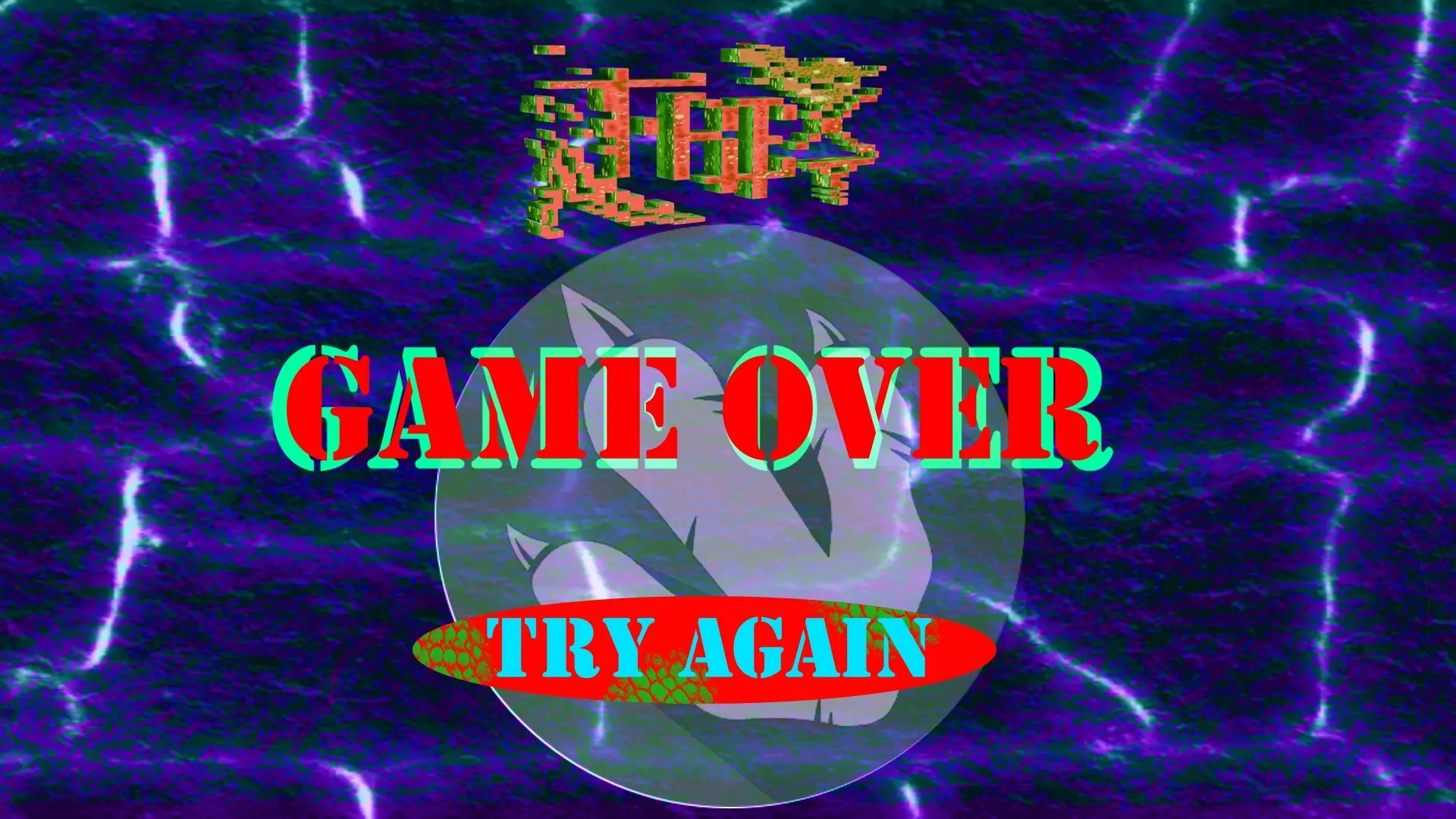
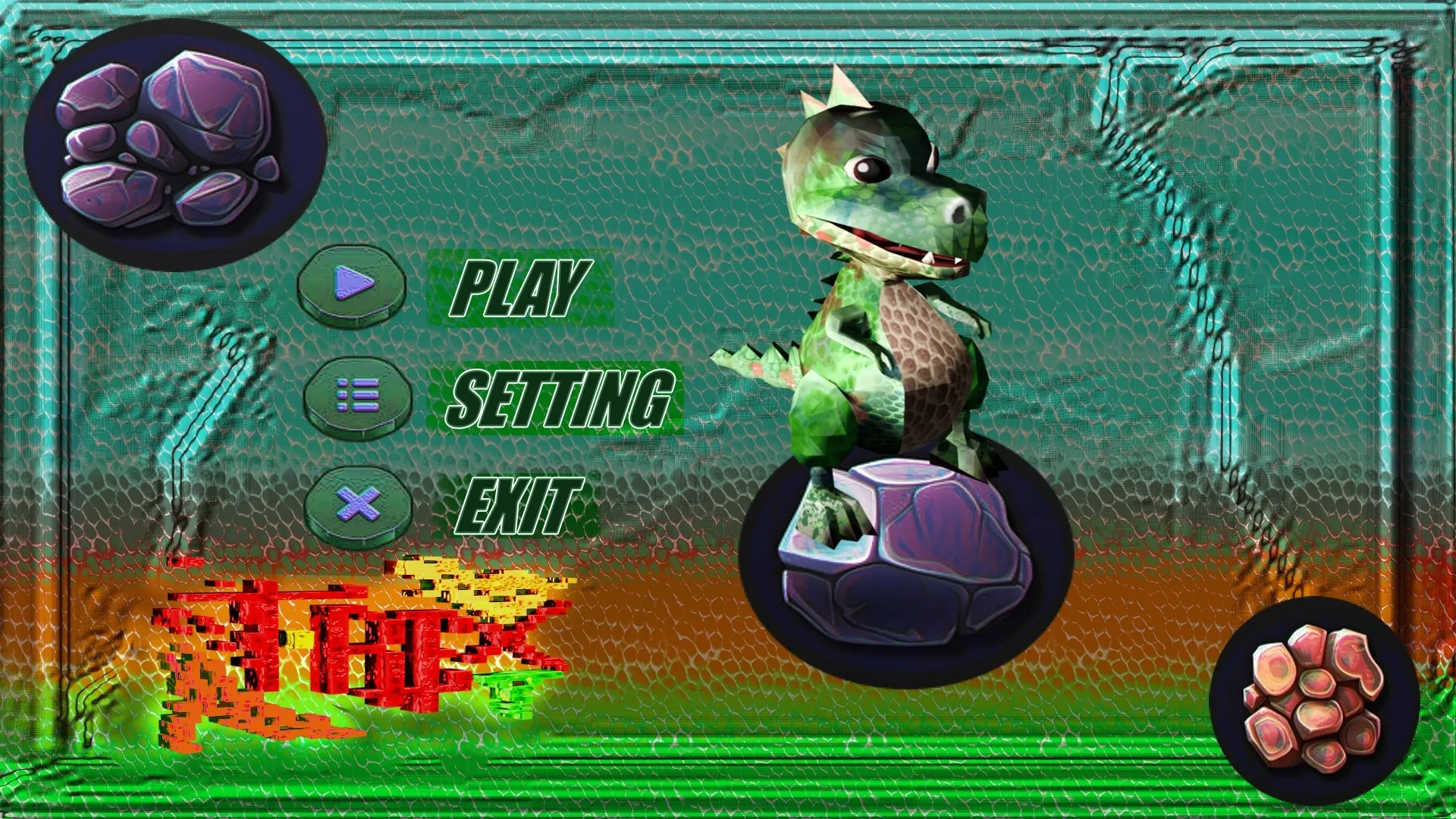
The game has a playable build and final screens for start and game over. The repository is private while the launch is being prepared. The destination platform — Steam, itch.io, or other — is under team evaluation. When it ships, this page will be updated with the corresponding links.